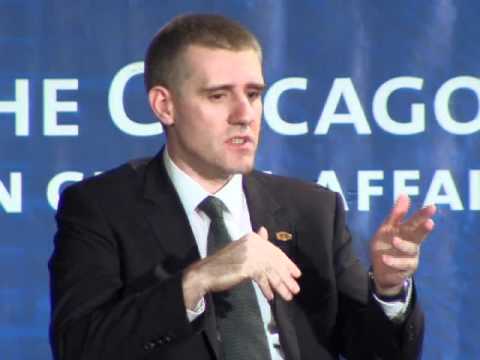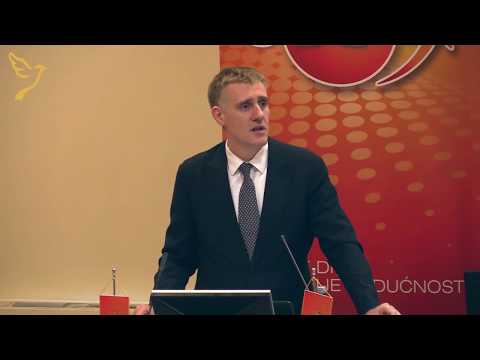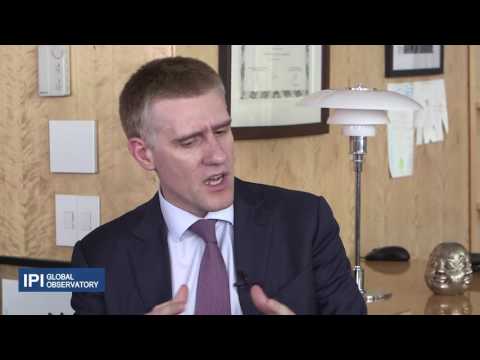
Igor Lukšić
Igor Lukšić first become a Member of the Parliament of Montenegro in 2001, a period of transition as the nations comprising the State of Union of Serbia and Montenegro were moving towards independence.
From 2004 - 2010, Dr. Lukšić served as Finance Minister of Montenegro. Thus, Finance Minister Lukšić presided over the nation's finances through three key events: the transition to independence in 2006, the global financial crisis in 2008, and the government's first Euro bond issuance in 2010.
In 2005, he completed a PhD in Economics with a doctoral dissertation entitled 'Transition – the Process of Achieving Economic and Political Freedoms'. A scholar of the Austrian School of Economics, Dr. Lukšić has been involved in the debate between Austrian and Keynesian economists with the perspective of both an academic and a policy-maker who has had to put economic theory into application.
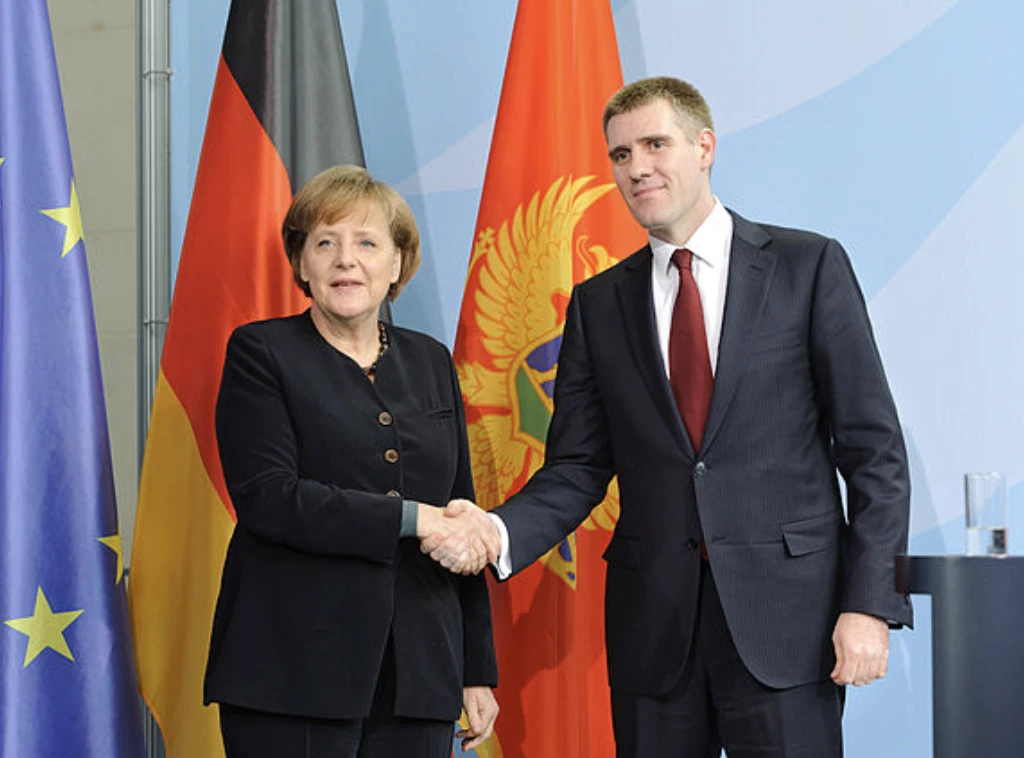
Dr. Lukšić assumed the role of Prime Minister in 2010. An advocate of the benefits of the European Union and the Euro, Prime Minister Lukšić made preparing Montenegro to join the European Union and Eurozone a top policy priority.
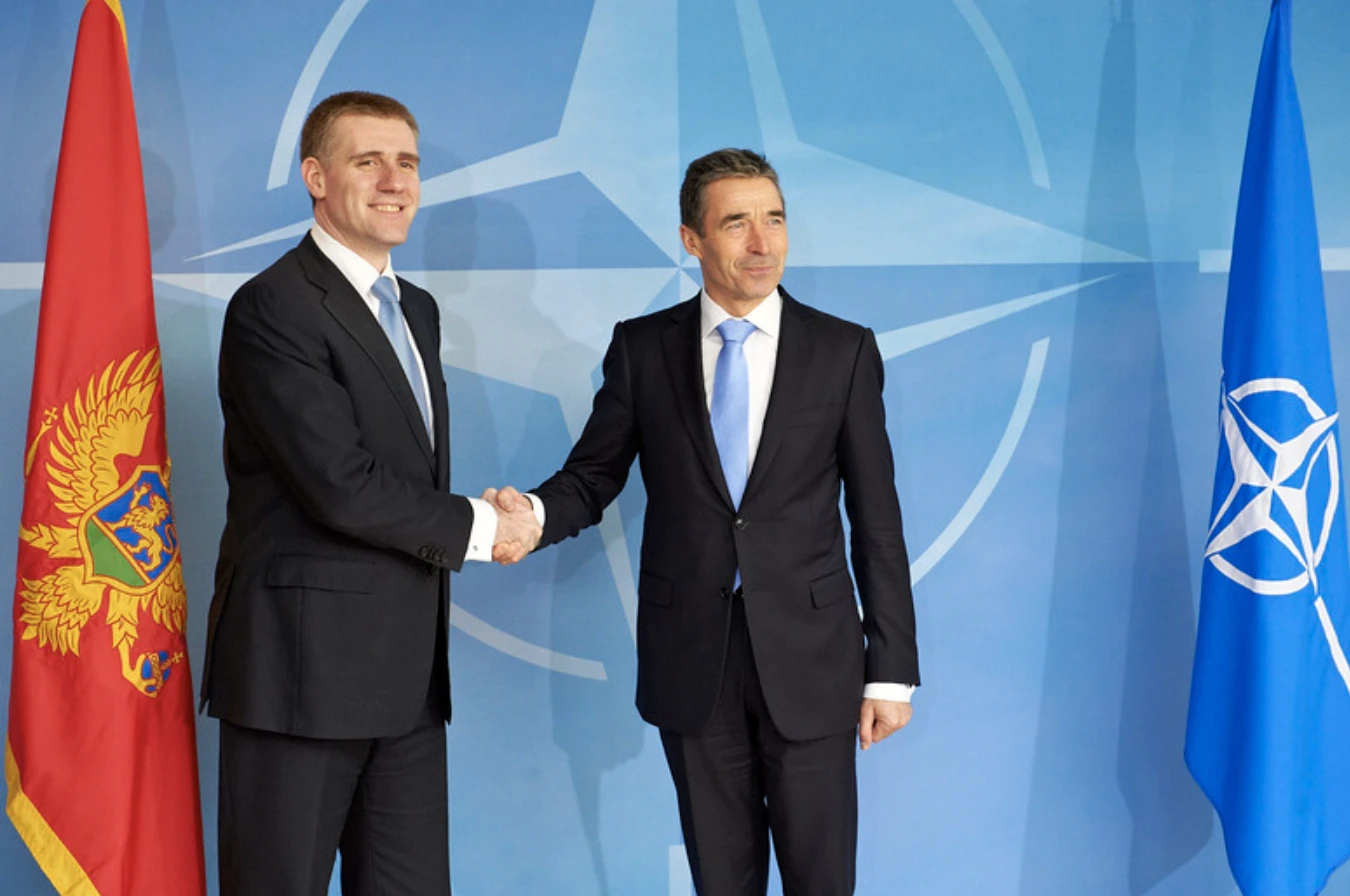
Additionally, Prime Minister Lukšić has also advocated for Montenegrin ascension to NATO, which occurred in 2017.
Following his Prime Ministership, Dr. Lukšić continued working towards Montenegrin ascension to the European Union, serving as the Deputy Prime Minister and Minister of Foreign Affairs & European Integration of the Government of Montenegro from 2012 - 2016.
Dr. Lukšić stood as a candidate for the position of United Nations Secretary General in 2016.
- Prime Minister of Montenegro (2010 - 2012).
- Minister of Finance, Montenegro (2004 - 2010).
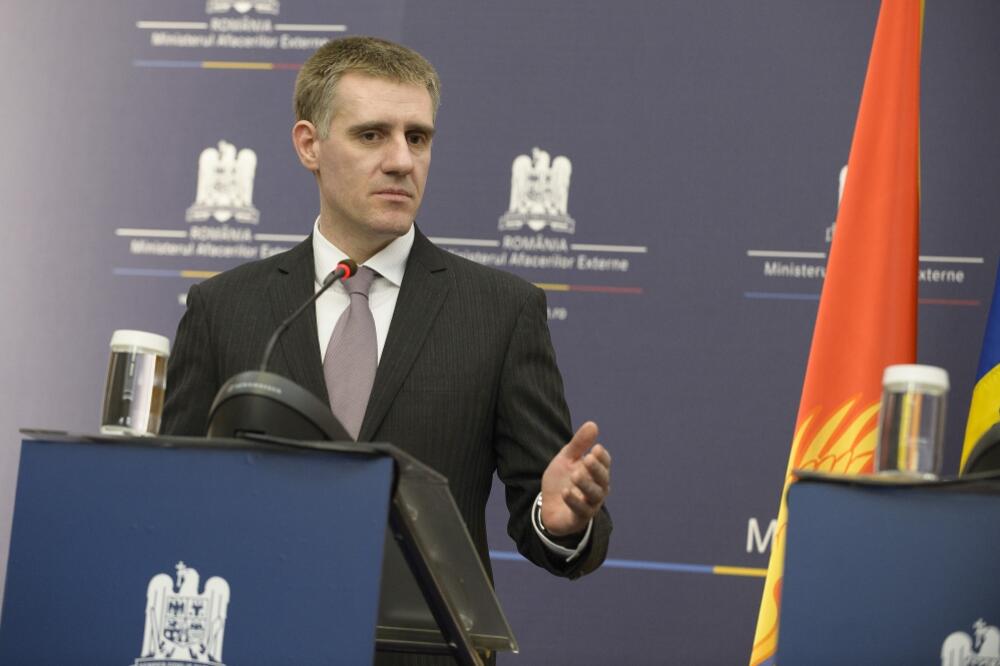
- Minister of Foreign Affairs & European Integration and Deputy Prime Minister, Montenegro (2012 - 2016).
- Deputy Foreign Minister of the State Union of Serbia and Montenegro (2003 - 2004).
- Member of Parliament of Montenegro (2001 - 2016).
- Professor, University of Donja Gorica (2007 - present).
Investment Banks, National Wealth Funds, Private Sector Enterprises, Governments Seeking To Strengthen Public Finances, Think Tanks, Schools of Business, Private Equity Firms, Pension Funds, Asset Managers, Ratings Agencies, Monetary & Fiscal Policy-Makers, Schools of International Affairs.